
Mobile Device Management, Explained — The Tech Behind This Week’s Ivanti Alert
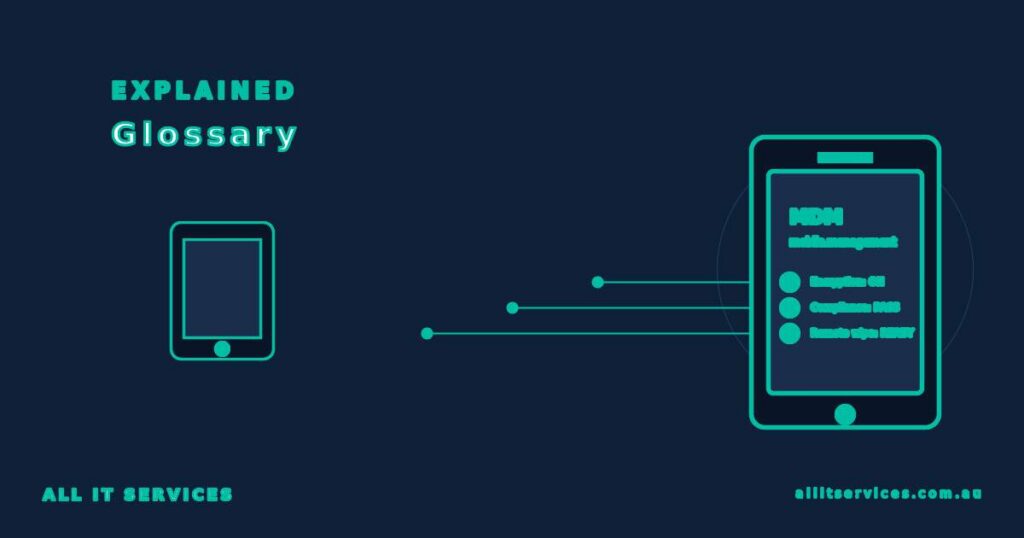
Mobile Device Management, or MDM, is the software that lets your IT team push settings, apps, security policies and remote-wipe commands to every phone, tablet and sometimes laptop your staff use for work. Think of it as a control tower for the fleet of devices that live in pockets and bags. It’s how a 200-person business stops Bob in accounts from disabling the screen lock, makes sure every device has full-disk encryption switched on, and wipes a phone the moment someone reports it missing at Sydney Airport.
It matters this week because Ivanti just patched another zero-day in EPMM, one of the most widely deployed on-prem MDM products. When attackers compromise an MDM server, they don’t just get one device — they can push commands and apps to every device under management, harvest credentials, and pull email and document data through the same trusted channel your business uses every day. That’s why CISA gave US federal agencies a three-day deadline to fix it, and why earlier Ivanti flaws were used to plant webshells inside European government departments.
The practical implication for your business: ask whoever runs your MDM — whether that’s in-house IT or a managed provider — three questions. Which product are we using, and is it patched to a current version? Who has admin rights on the MDM console, and when were those passwords last rotated? If our MDM was compromised tomorrow, what data and devices would the attacker reach? If any of those answers come back vague, that’s the gap to close before the next zero-day lands. We help businesses tighten this exact area as part of our cybersecurity and managed IT services.
Related Guide
Cybersecurity for Sydney SMBs
Explore our complete guide to protecting your business from cyber threats.